

Optometrist Image

Clearer Vision Starts Here: Understanding Optometry

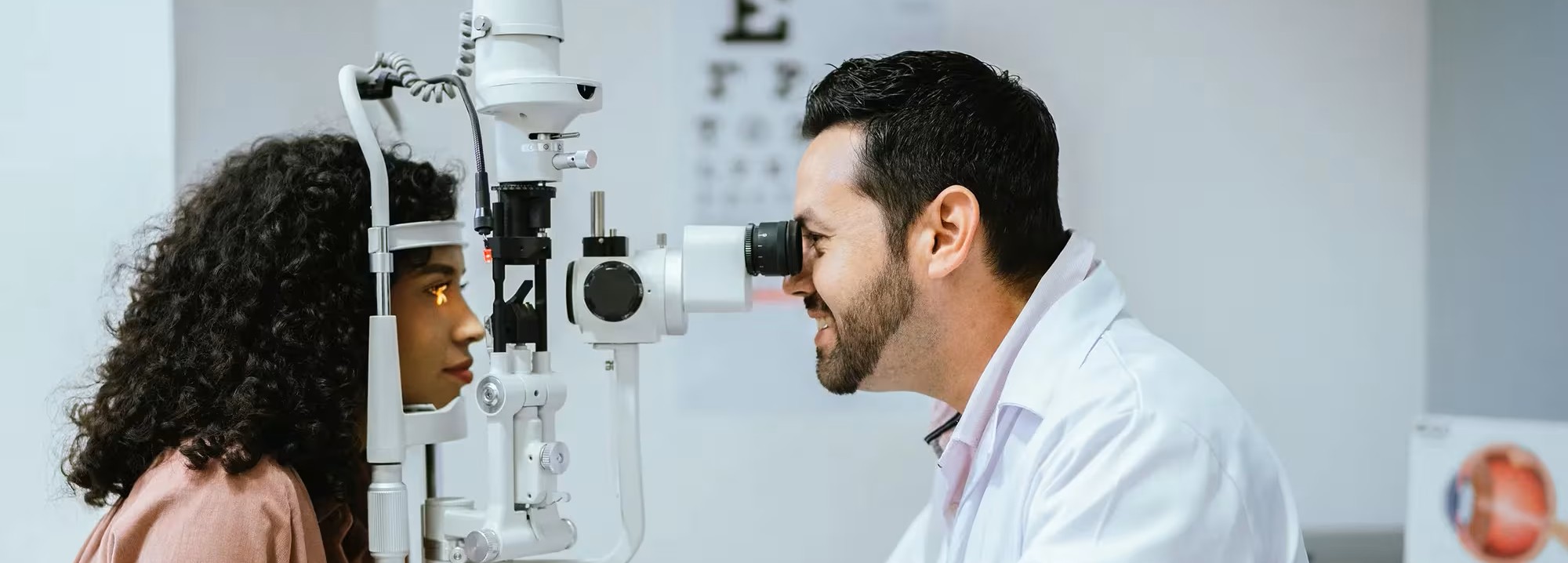
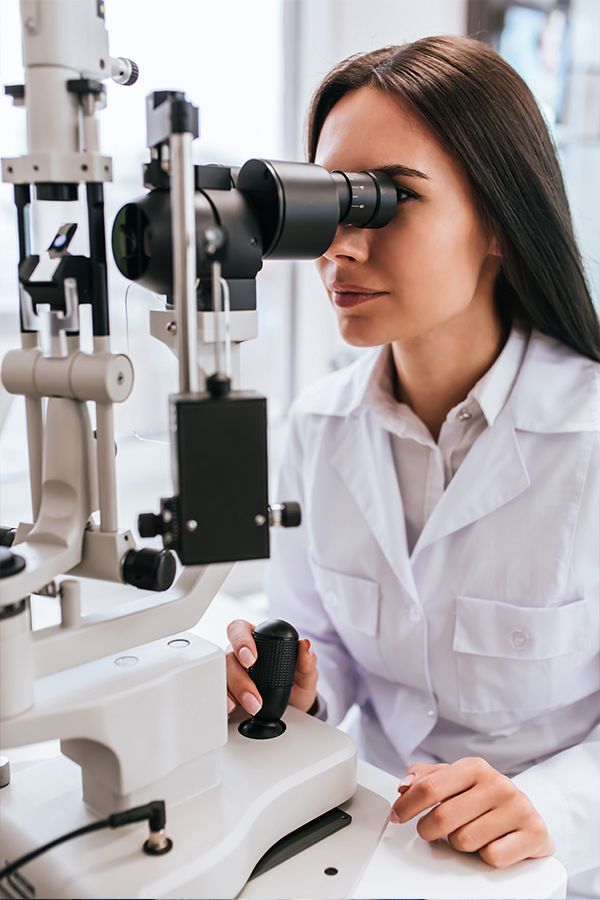
An Optometrist is a trained eye care professional dedicated to maintaining and improving your vision and overall eye health. Unlike general practitioners, an optometrist specializes in examining eyes, diagnosing vision problems, and providing effective solutions such as prescription glasses, contact lenses, and vision therapy.

Regular visits to an optometrist are essential not only for correcting vision issues but also for detecting early signs of eye conditions like glaucoma, cataracts, or macular degeneration. Optometrists play a key role in preventive eye care by guiding patients on proper eye hygiene, managing common eye problems, and offering advice on lifestyle habits that support healthy vision. Whether you experience blurred vision, eye strain, or simply need a routine checkup, consulting an optometrist ensures that your eyes receive professional attention. Trusting an optometrist helps you maintain clear, healthy vision for years to come.

Book Eye Exam
Schedule Appointment
Book Visit Now

Who is an Optometrist?

An Optometrist is a specialized healthcare professional who focuses on the examination, diagnosis, and management of vision and eye health. Unlike general doctors, an optometrist is trained to detect a wide range of eye conditions, including refractive errors like nearsightedness, farsightedness, and astigmatism. They play a crucial role in helping patients maintain clear and healthy vision through personalized solutions such as prescription glasses, contact lenses, and vision therapy.

Beyond correcting vision, optometrists are essential for preventive eye care. They perform thorough eye exams to detect early signs of conditions like glaucoma, cataracts, and macular degeneration, which can affect long-term vision if left untreated. Optometrists also educate patients on eye health, offering guidance on habits, nutrition, and protective measures to reduce strain and maintain eye comfort.

With the increasing reliance on digital devices, visiting an optometrist has become more important than ever. They assess digital eye strain, monitor changes in vision, and recommend strategies to protect your eyes in daily life. Whether for routine checkups, managing chronic eye conditions, or seeking advice on vision correction, an optometrist ensures professional care tailored to your individual needs. Consulting an optometrist is a vital step toward preserving your eyesight and achieving optimal eye health throughout life.

optometrist-web

Services Provided by an Optometrist

An Optometrist offers a wide range of services designed to maintain and improve your vision while ensuring overall eye health. Visiting an optometrist is more than just getting a prescription for glasses or contact lenses—it’s about comprehensive eye care. Optometrists use advanced diagnostic tools to assess your vision, detect early signs of eye conditions, and provide solutions tailored to your needs. Here are some of the key services provided by an optometrist:

  • Comprehensive Eye Exams: Optometrists conduct thorough eye examinations to assess visual acuity, detect refractive errors, and evaluate overall eye health. Routine eye exams help identify problems early, ensuring timely treatment.
  • Vision Correction: They prescribe glasses, contact lenses, and other corrective measures to improve vision for conditions like nearsightedness, farsightedness, astigmatism, and presbyopia.
  • Management of Eye Conditions: Optometrists monitor and manage common eye conditions, including dry eyes, eye infections, glaucoma, and cataracts, providing guidance on treatment and care.
  • Preventive Eye Care: They educate patients on maintaining eye health through lifestyle advice, nutrition tips, and protective measures against eye strain, especially in the digital age.
  • Specialized Vision Therapy: Some optometrists offer vision therapy to address issues such as lazy eye, binocular vision problems, and coordination challenges, improving overall visual performance.

By offering these services, an optometrist ensures that your eyes remain healthy, your vision stays clear, and any potential problems are addressed before they become serious. Regular visits to an optometrist are essential for long-term eye wellness.

optometrist-web

How to Choose the Right Optometrist

Choosing the right Optometrist is essential for maintaining healthy vision and ensuring personalized eye care. An optometrist not only helps correct vision problems but also monitors overall eye health and detects early signs of eye conditions. Selecting a qualified and experienced optometrist ensures you receive professional guidance, accurate prescriptions, and effective preventive care. Here are some important tips to help you choose the right optometrist:


1. Check Credentials and Experience: Ensure the optometrist is licensed and has the necessary qualifications. Experienced optometrists are better equipped to handle a variety of eye conditions and provide reliable vision care.


2. Read Patient Reviews: Look for reviews from other patients to understand their experiences. Positive feedback can indicate a trustworthy and professional optometrist.


3. Evaluate Services Offered: Make sure the optometrist provides a wide range of services, including comprehensive eye exams, vision correction, and management of common eye conditions.


4. Consider Accessibility and Location: Choose an optometrist whose clinic is easily accessible and has convenient appointment timings. Accessibility ensures regular visits without hassle.


5. Ask Questions During Consultation: During your first visit, ask about the optometrist’s approach to eye care, technologies used, and preventive measures. A good optometrist will provide clear explanations and address all your concerns.


Selecting the right optometrist ensures professional eye care, personalized attention, and long-term protection for your vision, helping you maintain healthy eyes throughout life.

When to Visit an Optometrist

Regular visits to an Optometrist are essential for maintaining healthy vision and detecting potential eye problems early. While some people may only see an optometrist when they experience vision issues, routine checkups are important for everyone, regardless of age. Optometrists can identify problems that may not show obvious symptoms, helping prevent complications and ensuring long-term eye health.

Here are key situations when you should visit an optometrist:

  • Routine Eye Exams – Even if your vision seems fine, regular checkups help monitor changes and maintain overall eye health.
  • Blurred or Double Vision – Any sudden or persistent vision changes require professional evaluation.
  • Eye Strain or Discomfort – Frequent headaches or eye fatigue, especially from digital screens, should be assessed.
  • Children’s Vision Checks – Early detection of vision problems can support learning and development.
  • Existing Eye Conditions – If you have glaucoma, cataracts, or other eye issues, regular visits are crucial for management.

Consulting an optometrist at the right time ensures your eyes stay healthy, clear, and comfortable for years to come.

optometrist-web

Benefits of Regular Visits to an Optometrist

Regular visits to an Optometrist are essential for maintaining clear vision and overall eye health. Even if your eyesight seems perfect, routine checkups help detect early signs of potential eye problems, prevent complications, and ensure long-term eye wellness. Consulting an optometrist provides professional guidance, timely interventions, and personalized care to keep your eyes healthy and comfortable.

Here are the key benefits of seeing an optometrist regularly:

  • Early Detection of Eye Conditions – Regular exams help identify conditions like glaucoma, cataracts, or macular degeneration before they become serious.
  • Accurate Vision Correction – An optometrist ensures your prescription for glasses or contact lenses is always up-to-date, reducing eye strain and improving clarity.
  • Prevention of Digital Eye Strain – Guidance on screen use, lighting, and exercises can help reduce discomfort from prolonged device usage.
  • Overall Eye Health Monitoring – Routine checkups track changes in vision and eye health over time.
  • Professional Advice and Education – Optometrists provide tips on diet, eye protection, and lifestyle habits that support long-term eye wellness.

Regular visits to an optometrist ensure your eyes remain healthy, comfortable, and well-protected throughout life.

Common Eye Problems and When to See an Optometrist

Your eyes are one of the most important organs, and maintaining their health is essential for daily life. An Optometrist plays a crucial role in identifying, managing, and preventing common eye problems. While some vision issues develop gradually, others may appear suddenly, making it important to know when to consult an optometrist. Regular visits help ensure that your eyes remain healthy and any potential problems are addressed promptly.

Here are some common eye problems and signs that indicate it’s time to see an optometrist:

  • Blurred or Distorted Vision – Difficulty focusing on objects, fuzzy vision, or seeing halos around lights may signal refractive errors or other eye conditions.
  • Eye Strain and Fatigue – Frequent headaches, discomfort, or tired eyes, especially from prolonged screen use, indicate the need for professional assessment.
  • Dry or Irritated Eyes – Persistent dryness, redness, or itching can affect comfort and vision, requiring optometrist guidance.
  • Difficulty Seeing at Night – Trouble driving at night or adjusting to low light may point to vision issues that need correction.
  • Floaters or Flashing Lights – Sudden appearance of spots, floaters, or flashes could indicate retinal concerns and should be checked immediately.
  • Changes in Color Perception or Vision – Noticeable changes in how you perceive colors or sudden vision loss should prompt urgent evaluation.

Consulting an optometrist when these symptoms appear ensures timely diagnosis, effective treatment, and long-term eye health, helping you maintain clear and comfortable vision throughout life.

Modern Tools and Technology in Optometry

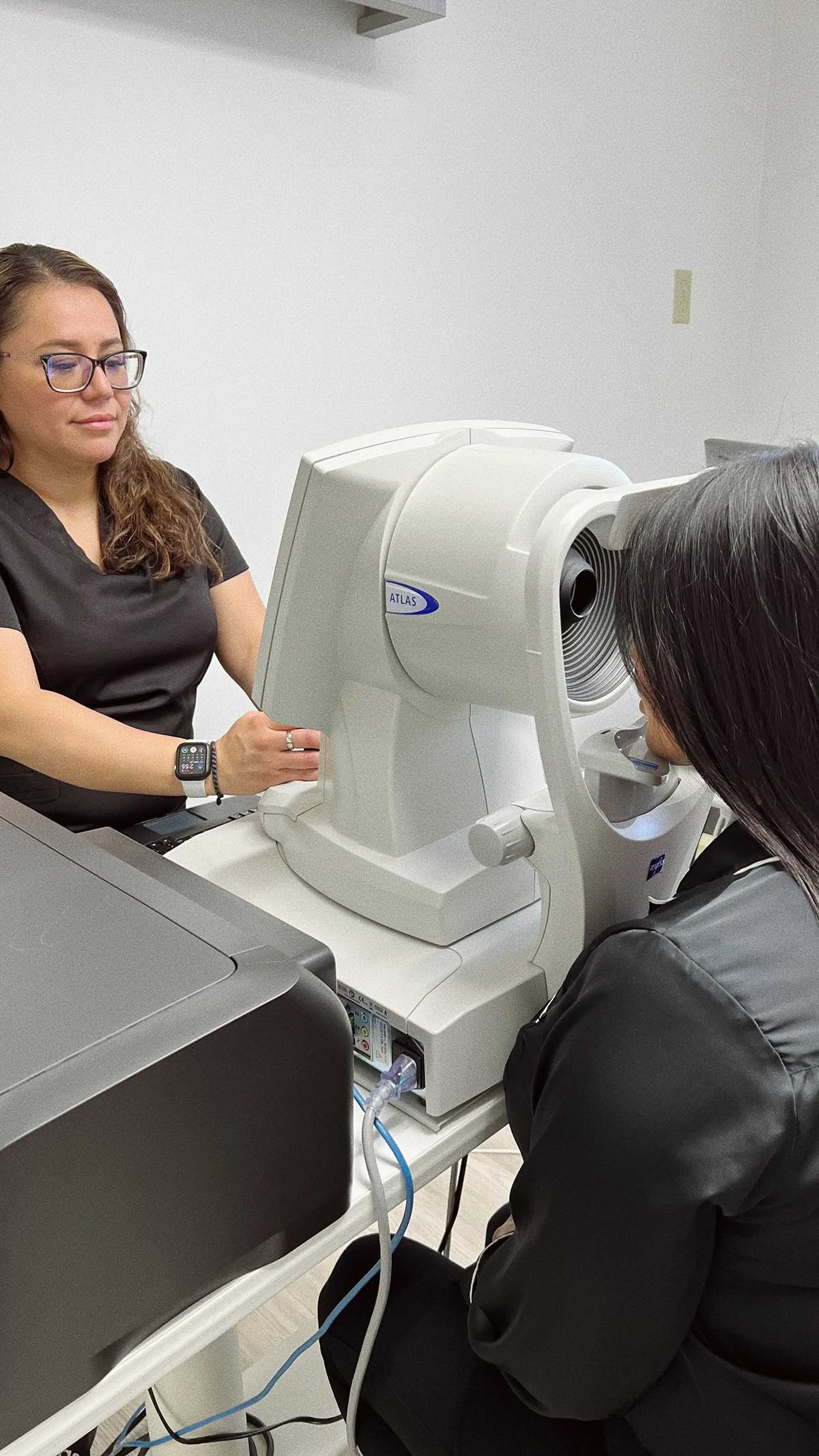
An Optometrist today uses advanced tools and modern technology to provide precise eye care, improve diagnosis, and enhance overall patient experience. Technological advancements in optometry have made it easier to detect eye problems early, customize treatments, and monitor long-term eye health effectively. Whether for routine eye exams or managing complex eye conditions, modern technology plays a vital role in maintaining healthy vision.

Here are some key tools and technologies used by optometrists:

  • Digital Eye Exams – High-resolution digital imaging allows optometrists to assess the retina, optic nerve, and other structures with great precision.
  • Optical Coherence Tomography (OCT) – This non-invasive imaging technique captures detailed cross-sections of the eye, helping detect conditions like glaucoma and macular degeneration early.
  • Autorefractors and Lensometers – These devices quickly measure refractive errors and ensure accurate prescription lenses.
  • Visual Field Analyzers – These tools assess peripheral vision and detect early signs of eye diseases such as glaucoma.
  • Corneal Topography – This technology maps the curvature of the cornea, assisting in contact lens fitting and diagnosing corneal conditions.
  • Advanced Contact Lens Fitting Tools – Modern tools allow optometrists to create customized lenses for improved comfort and vision quality.

By leveraging these modern tools, an optometrist ensures accurate diagnoses, effective treatment, and comprehensive preventive care. Staying updated with technology allows patients to enjoy clearer vision, healthier eyes, and a better overall eye care experience.

Conclusion

An Optometrist is an essential partner in maintaining clear vision and overall eye health. From routine eye exams to advanced vision correction and management of eye conditions, optometrists provide comprehensive care tailored to individual needs. Regular visits to an optometrist help detect problems early, prevent complications, and ensure that your eyes remain healthy and comfortable throughout life.

With modern tools and technology, optometrists can offer accurate diagnoses, personalized treatments, and guidance on maintaining eye wellness. Whether you need prescription lenses, vision therapy, or preventive advice, consulting an optometrist ensures professional care that protects and enhances your eyesight.

Choosing the right optometrist, understanding common eye problems, and knowing when to schedule visits are all crucial steps toward long-term eye health. By prioritizing regular checkups and following expert advice, you can enjoy clear, healthy vision and prevent potential eye issues before they become serious. Trusting an optometrist is a key step in safeguarding one of your most valuable senses—your sight.

FAQs About Optometrist

1. What is an optometrist?

An optometrist is a healthcare professional specializing in eye care. They perform eye exams, diagnose vision problems, prescribe glasses or contact lenses, and detect common eye conditions to maintain optimal eye health.


2. How is an optometrist different from an ophthalmologist?

An optometrist focuses on vision care, corrective lenses, and common eye conditions. An ophthalmologist is a medical doctor who can perform eye surgeries in addition to providing general eye care.


3. How often should I visit an optometrist?

Adults should generally see an optometrist every 1–2 years, while children and seniors may require more frequent visits depending on eye health, vision changes, or underlying conditions.


4. Can an optometrist diagnose eye diseases?

Yes, optometrists can detect conditions like glaucoma, cataracts, macular degeneration, and dry eye syndrome through comprehensive eye exams and advanced diagnostic tools.


5. Do optometrists prescribe glasses and contact lenses?

Absolutely. One of the main roles of an optometrist is to evaluate your vision and prescribe corrective lenses to improve clarity and reduce eye strain.


6. Are optometrists qualified to treat eye infections?

Yes, optometrists can diagnose and treat common eye infections, allergies, and inflammation with appropriate medications or recommendations for follow-up care.


7. What happens during a routine eye exam?

A routine exam includes checking visual acuity, eye muscle function, pupil response, eye pressure, and overall eye health. Some exams may also involve digital imaging and screening for diseases.


8. Can children see an optometrist?

Yes, children should have regular eye exams to detect vision problems early. Early detection supports proper learning and visual development, ensuring healthy eyesight.


9. Is it necessary to see an optometrist if I don’t have vision problems?

Yes. Even without symptoms, routine visits help identify hidden conditions like glaucoma or retinal issues, allowing early intervention and preventive care.


10. How does an optometrist test for color blindness?

Optometrists use specialized color vision tests to identify deficiencies in distinguishing colors, which is important for safety and career considerations.


11. Can an optometrist help with digital eye strain?

Yes. Optometrists provide guidance on proper screen use, lighting, and exercises to reduce eye strain caused by prolonged computer or device use.


12. Are optometrists trained in vision therapy?

Many optometrists offer vision therapy programs to address issues like lazy eye, double vision, and eye coordination problems, improving overall visual performance.


13. Can optometrists detect systemic diseases?

Some optometrists can identify signs of systemic diseases like diabetes or hypertension during eye exams, as these conditions can affect eye health.


14. Do optometrists perform eye surgery?

No. Optometrists do not perform surgery. They diagnose conditions and may refer patients to ophthalmologists for surgical treatments if needed.


15. What technology do optometrists use in modern eye care?

Optometrists use tools like digital eye exams, OCT imaging, corneal topography, visual field analyzers, and autorefractors to provide accurate assessments and care.


16. Can an optometrist help with night vision problems?

Yes. They can assess issues like difficulty seeing in low light, prescribe corrective lenses, or suggest strategies to improve night vision.


17. Is an optometrist covered by insurance?

Many insurance plans cover routine eye exams and vision correction prescribed by optometrists. It’s best to check your specific plan for details.


18. Can an optometrist treat dry eyes?

Yes. Optometrists evaluate the causes of dry eyes and recommend treatments, such as artificial tears, lifestyle changes, or specialized therapies.


19. How long does a typical optometrist visit take?

A routine eye exam typically lasts 30–60 minutes, depending on tests performed, the complexity of vision correction, or additional screenings for eye conditions.


20. Can optometrists help with headaches caused by vision problems?

Yes. Vision-related issues like uncorrected refractive errors or eye strain can cause headaches. An optometrist can identify the cause and provide corrective solutions.